AI Diagnostics | Blueprint for Smarter Disease Detection
CUEAFS >> technology>> AI Diagnostics | Blueprint for Smarter Disease Detection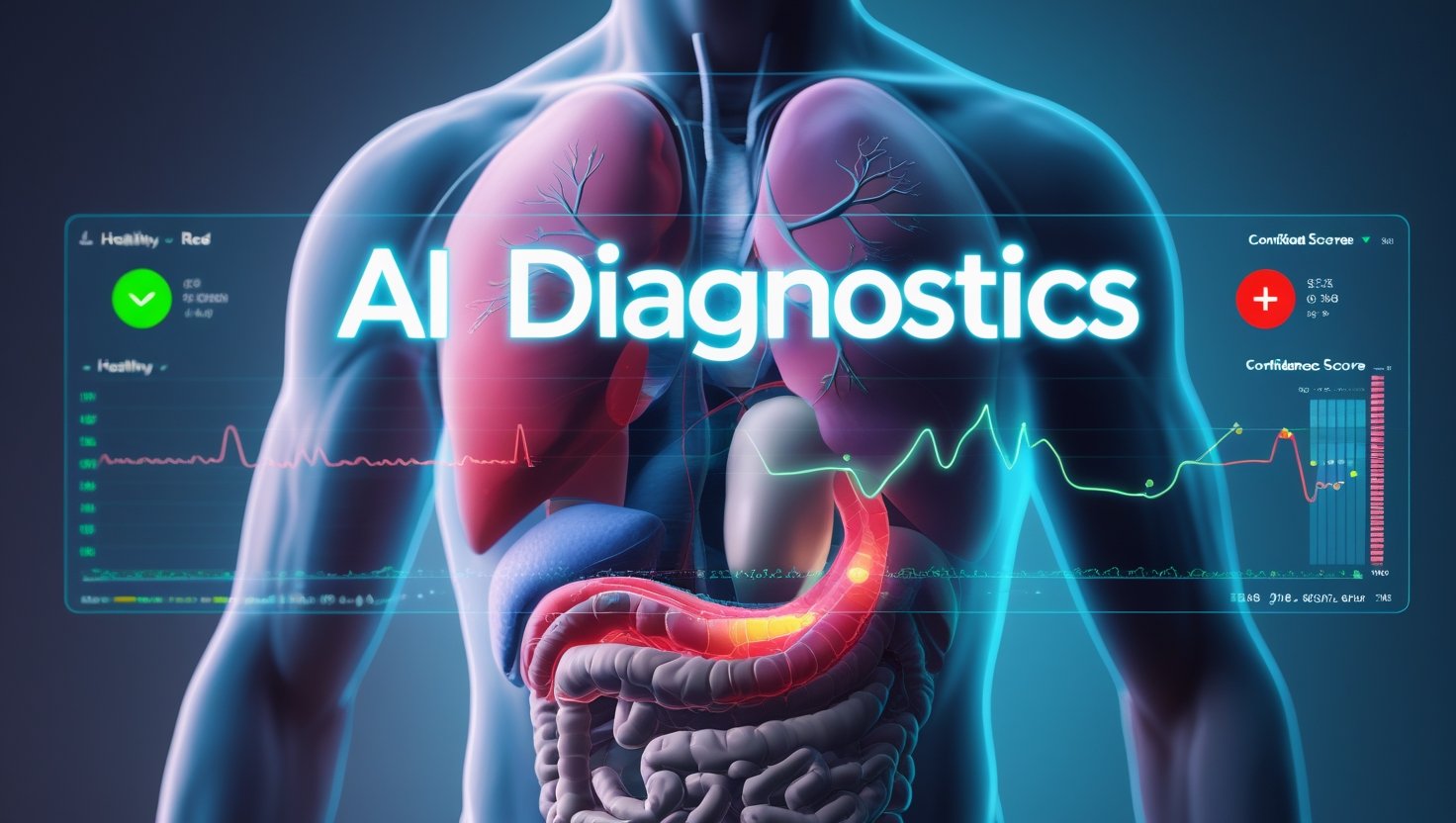
AI Diagnostics | Blueprint for Smarter Disease Detection
Imagine a future where technology uncovers diseases before symptoms arise, a revolution powered by AI Diagnostics. This blueprint for smarter disease detection is transforming healthcare by combining rapid data analysis with medical expertise. Today’s innovative approach is reshaping diagnostics, ensuring earlier detection and better outcomes. The blend of advanced algorithms and clinical insight creates a new frontier in disease management, paving the way for more efficient, personalized care.
The Genesis of AI Diagnostics:
The journey of AI Diagnostics began with the realization that modern medicine produces volumes of data each day. Traditional diagnostic methods, anchored in human assessment, can be limited when faced with such complexity. By harnessing the power of machine learning, healthcare innovators turned raw data, ranging from imaging scans and electronic health records to genetic profiles, into actionable insights. Today, sophisticated AI systems analyze patterns with unmatched precision, revealing early markers of disease that physicians might miss.
This evolution represents not only a technological milestone but also a monumental shift in how we approach patient care, blending art with science to redefine the diagnostic process. The digital transformation is making healthcare faster, more accurate, and ultimately more humane, as every byte of data builds a clearer picture of our health destiny. This convergence of technology and biology stands as the very blueprint for smarter disease detection and a healthier tomorrow.
Mechanisms of Smarter Disease Detection:
At the heart of this revolution are algorithms that transform complex medical data into precise diagnoses. Modern AI Diagnostics employs deep learning and neural networks to recognize subtle patterns that may indicate disease in its earliest stages. These systems work by comparing new patient data against vast, continually growing databases, detecting anomalies in imaging, lab results, or even patient histories. What makes this approach truly groundbreaking is its speed and consistency; AI-powered tools provide insights in seconds, something unimaginable with traditional methods.
This rapid processing not only improves patient outcomes by enabling early treatment but also reduces diagnostic errors. The collaboration between cutting-edge computational models and medical professionals amplifies our ability to fight diseases effectively, ensuring that treatments become both proactive and patient-specific. Such technology is the cornerstone of smarter disease detection, bridging the gap between high-tech data analysis and everyday clinical practice.
Pioneering Innovations:
In the realm of AI Diagnostics, innovation never sleeps. Researchers and tech companies are constantly developing next-generation tools that not only detect diseases but also predict their progression. Tools powered by artificial intelligence are now able to analyze medical images with near-perfect accuracy, sometimes surpassing the performance of human experts. Such breakthroughs have been revolutionary, especially in identifying cancers, cardiovascular conditions, and neurological disorders at stages when treatments are most effective.
For example, AI-driven imaging systems rapidly evaluate X-rays, MRIs, and CT scans, spotting minute irregularities that could indicate an emerging health issue. This innovation is a game-changer for healthcare providers, particularly in remote or underserved areas where specialist expertise might not be readily available. By integrating smart predictive models with conventional diagnostics, these tools epitomize the blueprint for a more responsive and anticipatory healthcare system, one where every machine learning insight brings us closer to saving lives.
Bridging the Gap:
For AI Diagnostics to be truly effective, technology and clinical expertise must work in tandem. Forward-thinking healthcare institutions are now embedding AI tools directly into their diagnostic processes. Here, state-of-the-art algorithms assist doctors by flagging potential issues based on real-time data. This partnership enhances the reliability of diagnoses, as physicians benefit from machine-generated insights while adding their nuanced understanding of patient care. Digital dashboards, powered by sophisticated data analytics, alert clinicians to subtle shifts in a patient’s condition, thereby enabling quicker decision-making.
The integration is not about replacing human judgment but augmenting it, paving the way for a new standard in care where technology supports the critical human elements of empathy and experience. This symbiosis results in a more efficient workflow, reducing waiting times and ensuring that patients receive tailored treatments faster. As we outline this blueprint for smarter disease detection, the fusion of clinical skills with AI stands as a beacon of hope for improving global healthcare outcomes.
Ethical Horizons:
With great power comes great responsibility, especially when AI shapes decisions about health. Ethical considerations in AI Diagnostics are paramount as algorithms sift through sensitive personal data. Healthcare providers and developers must work together to ensure patient privacy, data security, and unbiased outcomes. Addressing potential biases in training data is crucial; if not handled properly, these issues could lead to misdiagnoses or unequal access to care. Transparent protocols and ongoing oversight are key to establishing trust in AI-driven systems.
By involving ethicists, technologists, and clinical experts in the design process, the healthcare sector is striving to build diagnostic tools that are not only innovative but also fair and accountable. This ethical framework reinforces the blueprint for smarter disease detection – one that emphasizes patient rights and the rigorous safety standards necessary in modern medicine.
Future Blueprints:
Looking ahead, the evolution of AI Diagnostics promises a future where early disease detection becomes routine. The blueprint for smarter disease detection is continuously updated as new innovations refine our understanding of disease progression. Envision a scenario where wearable devices and remote monitoring systems feed data directly into AI models, alerting physicians to potential issues before they escalate.
This proactive approach not only enhances individual patient care but also transforms public health strategies by enabling real-time epidemiological surveillance. As more data becomes accessible, algorithms will grow more refined, providing insights that drive faster treatments and better outcomes. The next era in diagnostics is already taking shape—a future where technology empowers humans to live healthier, longer lives. This roadmap, driven by continuous innovation and collaboration across disciplines, ensures that the promise of AI in healthcare will soon become a universal reality.
Conclusion:
Today, AI Diagnostics is rapidly transforming how we understand and detect diseases. The blend of innovative tools and clinical expertise is creating a more proactive and precise healthcare environment. This brief blueprint for smarter disease detection underscores the importance of technology in saving lives. Embracing these changes today sets the stage for a healthier tomorrow.
FAQs
- What is AI Diagnostics?
It uses advanced algorithms to analyze health data, enabling earlier and more accurate disease detection. - How do AI systems improve diagnostics?
They quickly process complex data, revealing subtle patterns that support faster, more consistent diagnoses. - Can AI replace doctors?
No. AI enhances clinical decisions by providing data-driven insights while doctors guide care with their expertise. - What diseases benefit from AI diagnostics?
Conditions like cancer, heart disease, and neurological disorders are increasingly detected and managed with AI tools. - How does AI ensure patient privacy?
Robust security measures and ethical oversight help protect personal health data during analysis. - Is AI diagnostics accessible in all areas?
Efforts are underway to extend these advanced tools to underserved regions, ensuring broader access to care.